The term “roly poly” often evokes images of small, round creatures that curl into a ball when threatened. Scientifically, these creatures are known as pill bugs or Armadillidiidae, a family of woodlice. They are not insects but crustaceans, closely related to shrimp and crabs. Their unique ability to roll into a ball is a fascinating adaptation that provides protection from predators and environmental stressors. This behavior has made them a popular subject in both scientific studies and crossword puzzles, including those featured in the New York Times (NYT).
In the realm of crossword puzzles, the term “roly poly” frequently appears as a clue or answer, challenging solvers to recall this quirky creature’s scientific name. The NYT crossword is known for its clever wordplay and diverse range of topics, making it an engaging platform for both casual and avid puzzle enthusiasts. Understanding the scientific background of the roly poly can enhance one’s ability to solve these puzzles while also appreciating the biological significance of these fascinating organisms.
Roly Poly Scientifically NYT Crossword
 roly poly scientifically nyt crossword
The scientific classification of the roly poly begins with its kingdom, Animalia, followed by the phylum Arthropoda. Within this phylum, they belong to the class Malacostraca and the order Isopoda. The family Armadillidiidae includes various species of pill bugs, each exhibiting unique characteristics. This classification is often a clue in crossword puzzles, where solvers might encounter terms like “Armadillidiidae” or “isopod.”
Roly polies are primarily found in moist environments, such as under rocks or decaying leaves. They play a crucial role in their ecosystems by breaking down organic matter and contributing to soil health. Their diet mainly consists of decaying plant material, making them essential decomposers. This ecological importance can sometimes be referenced in crossword clues related to their habitat or dietary habits.
Interestingly, roly polies exhibit a fascinating reproductive strategy. Females carry their eggs in a pouch until they hatch into miniature versions of adults. This nurturing behavior is another aspect that may appear in crossword clues, highlighting their unique life cycle and parental care.
In addition to their biological significance, roly polies have captured the imagination of many due to their distinctive appearance and behavior. Their ability to roll into a ball not only serves as a defense mechanism but also makes them an endearing subject for children and adults alike. This charm often leads to their inclusion in educational materials and puzzles.
In conclusion, the roly poly is more than just a cute creature; it is an important part of our ecosystem with intriguing biological traits. Its presence in the NYT crossword serves as a reminder of the connection between language and science, encouraging solvers to explore beyond mere wordplay and appreciate the natural world around them.
Get and Print roly poly scientifically nyt crossword
 Rex Parker Does The NYT Crossword Puzzle Big Online Site For Uploading Photos And Memes WED 5 5 21 Wyoming Town Named For Frontiersman Separate Into Groups That Don T Communicate
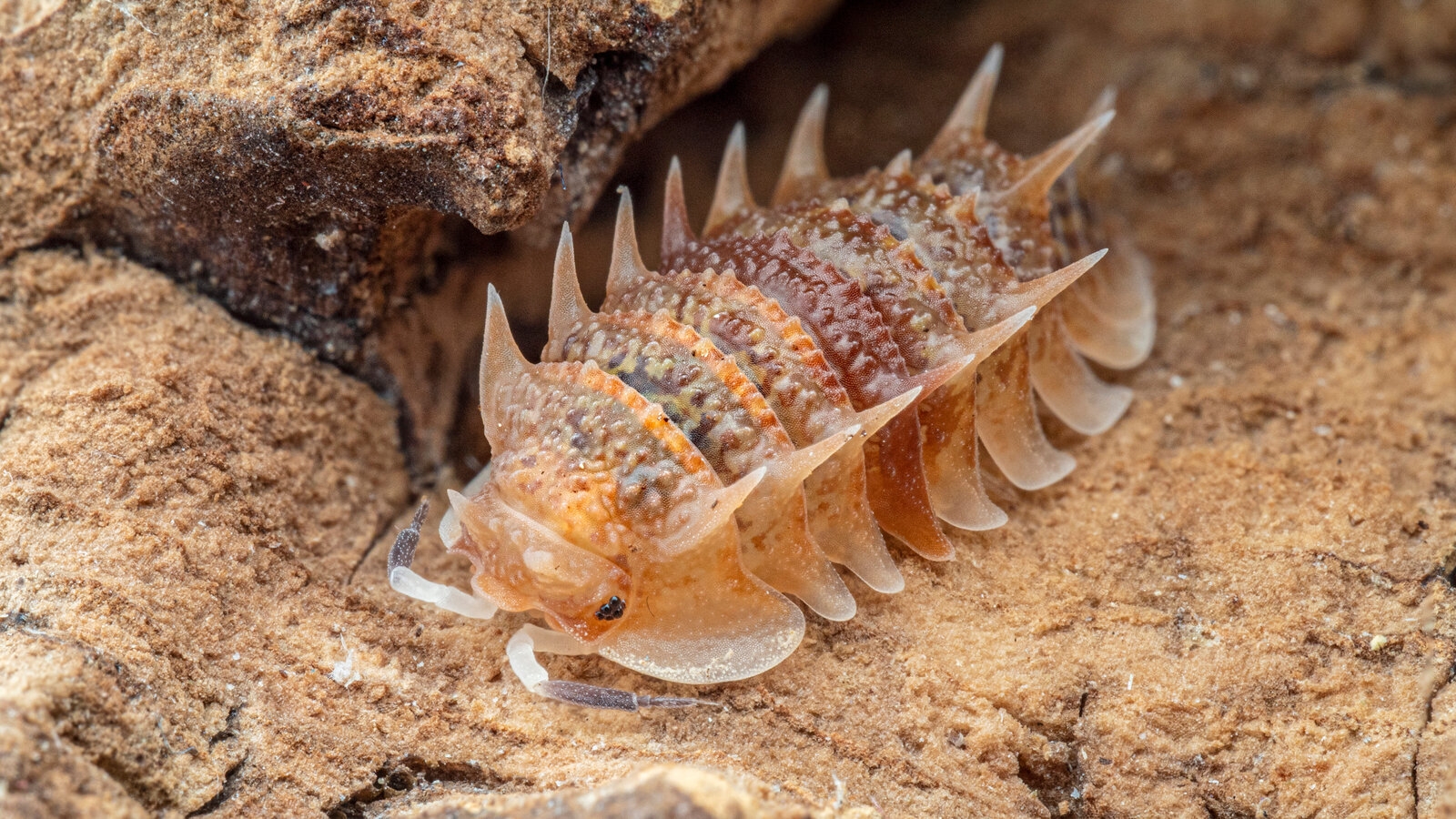 Pillbugs Are Getting Top Dollar Online Poachers Have Noticed The New York Times
 Rex Parker Does The NYT Crossword Puzzle Tokarczuk 2018 Literature Nobelist MON 11 9 20 Unstable Chemical Compound Trending Hashtag Beginning In 2017 Lures For Magazine Readers