The New York Times crossword puzzle has long been a staple for puzzle enthusiasts, offering a daily challenge that tests vocabulary, knowledge, and problem-solving skills. Among the myriad of clues and answers that appear, certain words resonate more deeply with solvers, evoking emotions and memories. One such word is “betray,” which can lead to intriguing discussions about its implications in both language and life.
Betrayal is a powerful theme that transcends mere wordplay. It often signifies a breach of trust, whether in personal relationships or broader societal contexts. When encountered in a crossword puzzle, it prompts solvers to reflect on their own experiences with loyalty and deception. The emotional weight of the word can make solving the clue particularly engaging, as it connects to universal human experiences.
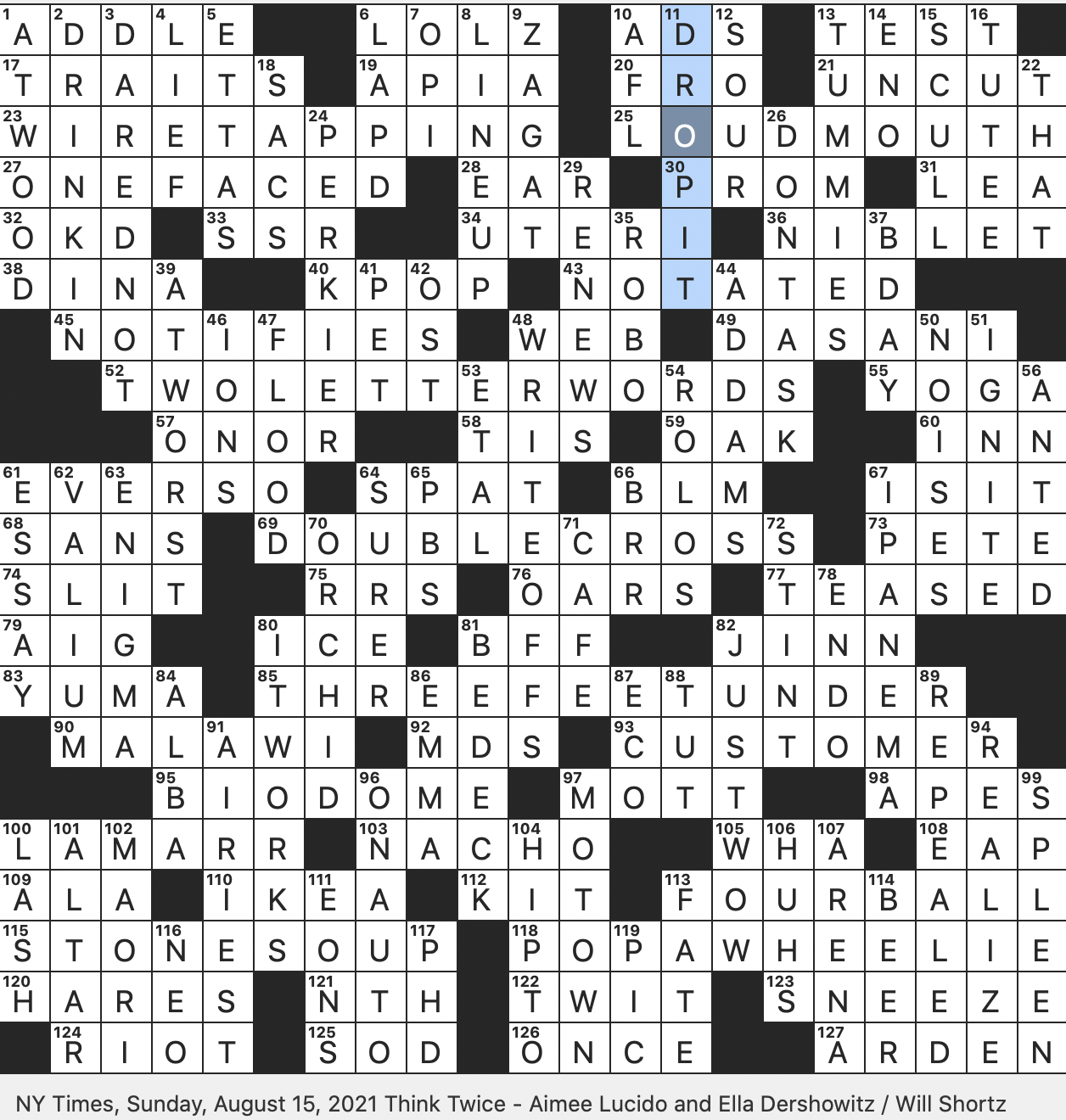 betray nyt crossword
betray nyt crossword
In the context of the NYT crossword, “betray” may appear as a clue that requires solvers to think critically about synonyms or related concepts. Common answers might include “deceive,” “double-cross,” or even “reveal.” Each of these alternatives carries its own connotations and can lead to different interpretations based on the surrounding clues.
Furthermore, the placement of “betray” within the puzzle can significantly affect its difficulty level. If it appears in a themed puzzle centered around relationships or trust, solvers may find it easier to connect the dots. Conversely, if it stands alone among unrelated clues, it may challenge even seasoned solvers to dig deeper into their vocabulary and associations.
Crossword puzzles often serve as a reflection of cultural moments and societal issues. The inclusion of words like “betray” can highlight current events or historical contexts where trust has been compromised. This not only enriches the solving experience but also encourages players to engage with broader themes beyond the grid itself.
Ultimately, encountering “betray” in the NYT crossword is more than just filling in a blank; it’s an invitation to explore complex emotions and narratives. As solvers navigate through clues and answers, they are reminded of the intricate web of relationships that define human experience.
In conclusion, the word “betray” in the NYT crossword encapsulates much more than its definition. It serves as a poignant reminder of trust’s fragility and the complexities of human interactions. As puzzle enthusiasts continue to engage with such themes, they not only sharpen their minds but also reflect on their own lives and relationships.
Download and Print betray nyt crossword
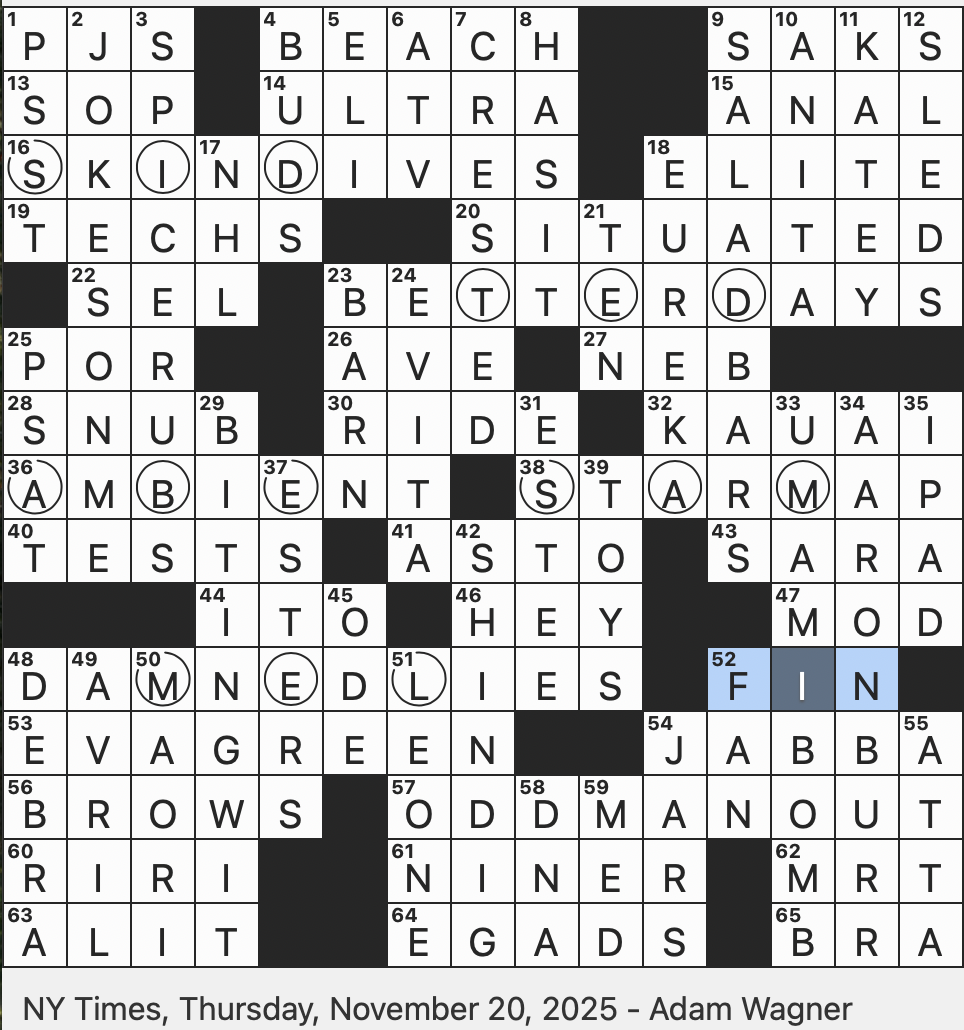 Rex Parker Does The NYT Crossword Puzzle Spanx Founder Blakely THU 11 20 25 Cubing Needs Like An S Tier Video Game Character Pixel Alternative Vesper Lynd Portrayer In Casino
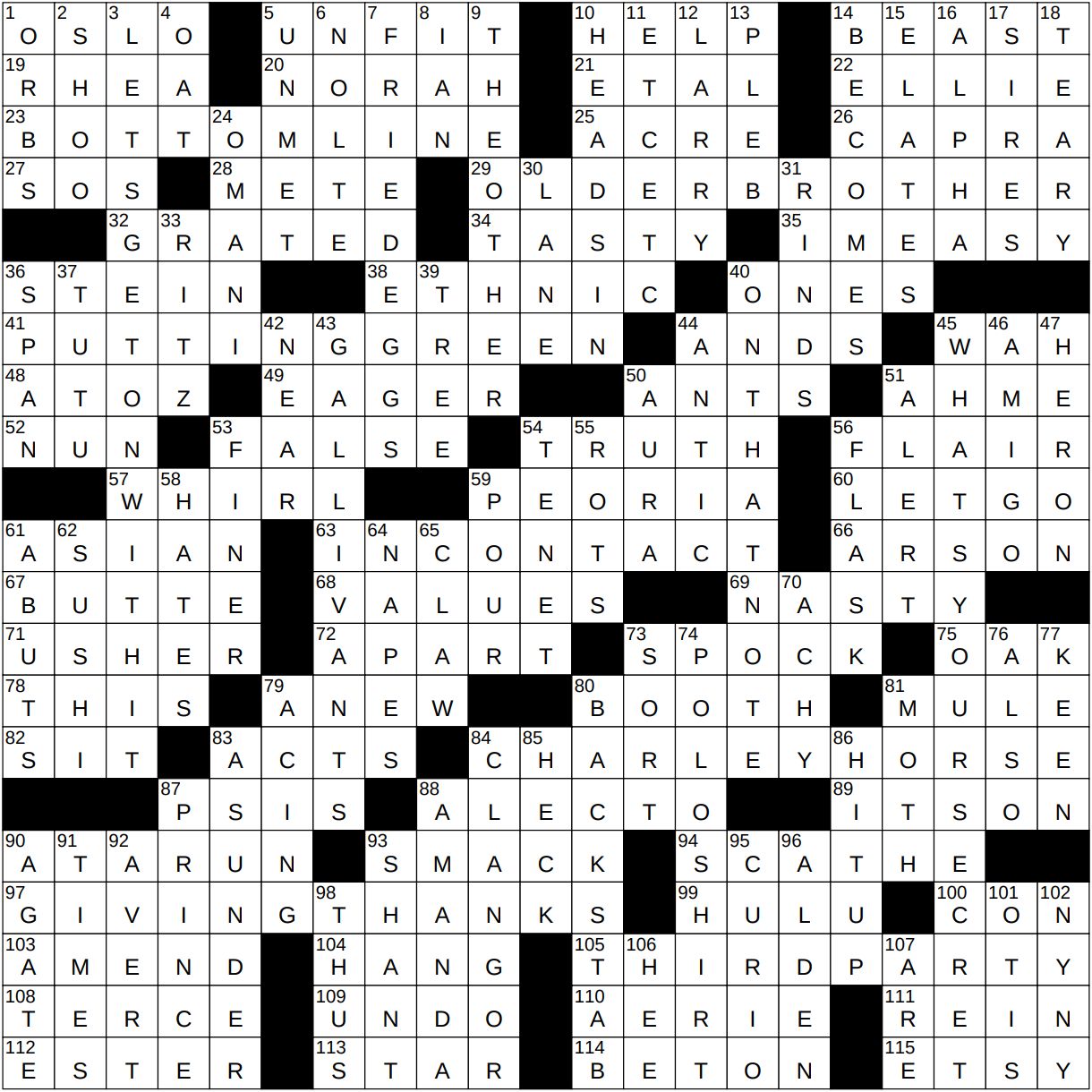 0703 22 NY Times Crossword 3 Jul 22 Sunday NYXCrossword
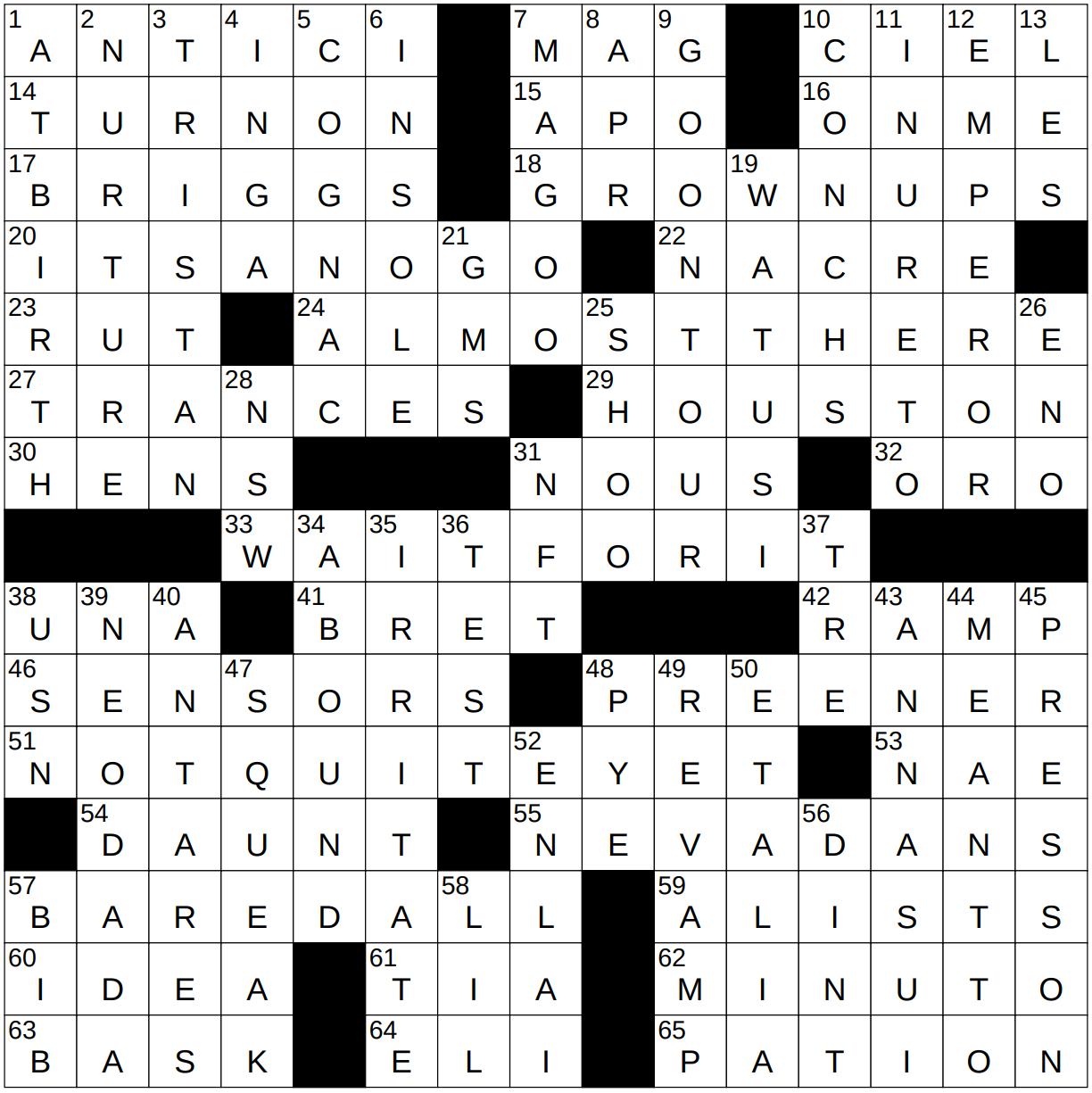 1201 22 NY Times Crossword 1 Dec 22 Thursday NYXCrossword