Classical poetry has long been a source of inspiration and creativity, captivating readers with its structured forms and rhythmic patterns. The Wall Street Journal (WSJ) crossword often features clues related to these poetic forms, challenging solvers to recall their knowledge of literary traditions. Understanding classical poetry not only enhances one’s appreciation for literature but also aids in solving such crossword puzzles.
In the realm of poetry, various forms have emerged over centuries, each with its unique characteristics and historical significance. From sonnets to haikus, these structures provide a framework for poets to express their thoughts and emotions. Engaging with classical poetry can deepen one’s understanding of language and enhance vocabulary, making it a valuable pursuit for crossword enthusiasts.
 classical poetry form wsj crossword
Classical Poetry Form WSJ Crossword
One of the most recognized forms in classical poetry is the sonnet, which typically consists of 14 lines written in iambic pentameter. The two main types of sonnets are the Petrarchan and Shakespearean sonnets, each with distinct rhyme schemes. Crossword clues may refer to these forms by asking for a “14-line poem” or “Shakespearean verse,” prompting solvers to recall their definitions.
Another popular form is the haiku, a traditional Japanese poem that captures a moment in nature or emotion in just three lines. The structure follows a 5-7-5 syllable pattern, making it concise yet profound. Crossword clues might include terms like “Japanese verse” or “nature poem,” leading solvers to think of this elegant form.
The villanelle is another classical form that features a specific rhyme scheme and repetition of lines. Comprising 19 lines with five tercets followed by a quatrain, this form is known for its musical quality and emotional depth. Clues in the WSJ crossword may reference its unique structure or famous examples, such as Dylan Thomas’s “Do Not Go Gentle into That Good Night.”
Lastly, the ode is a lyrical poem that expresses praise or admiration for a subject. Odes can vary in structure but often maintain an elevated tone and rich imagery. Crossword clues might hint at this form by mentioning “lyrical tribute” or “poem of praise,” encouraging solvers to connect with its essence.
In conclusion, classical poetry forms are not only significant in literary history but also serve as engaging elements in crossword puzzles like those found in the WSJ. By familiarizing oneself with these poetic structures, solvers can enhance their skills and enjoy the beauty of language while tackling challenging clues. Embracing classical poetry enriches both the mind and the soul, making it a rewarding endeavor for all literature lovers.
Download and Print classical poetry form wsj crossword
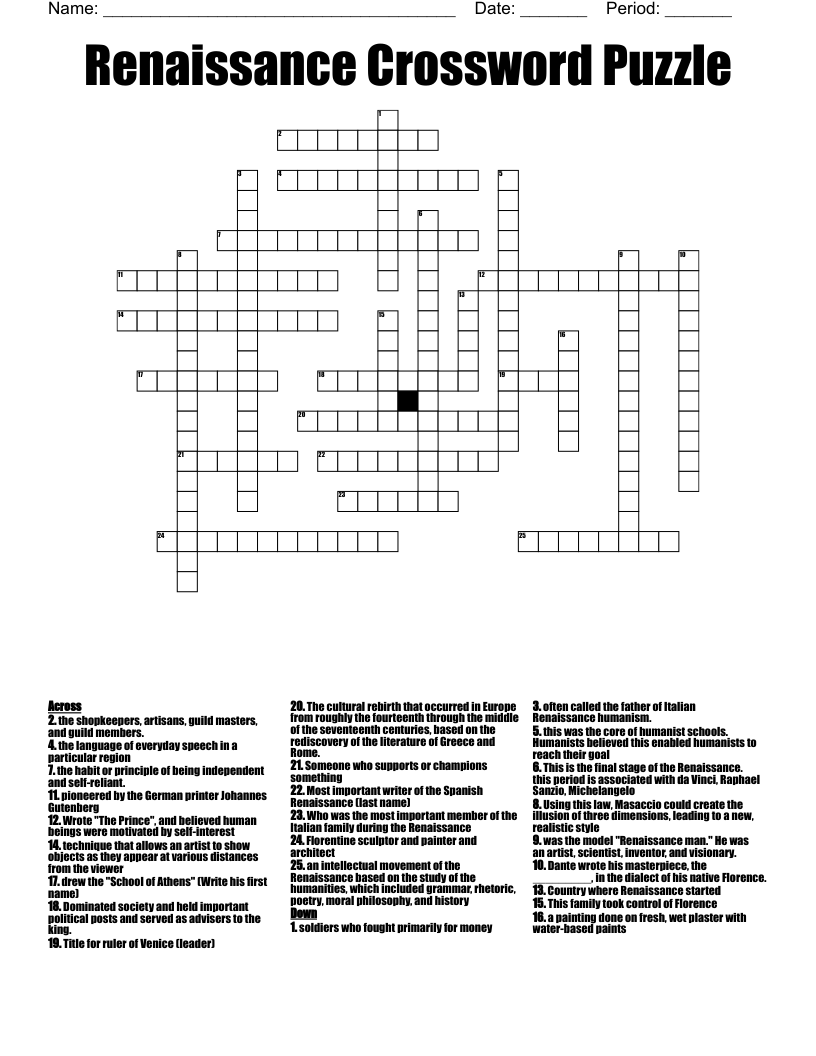 Renaissance Crossword Puzzle WordMint
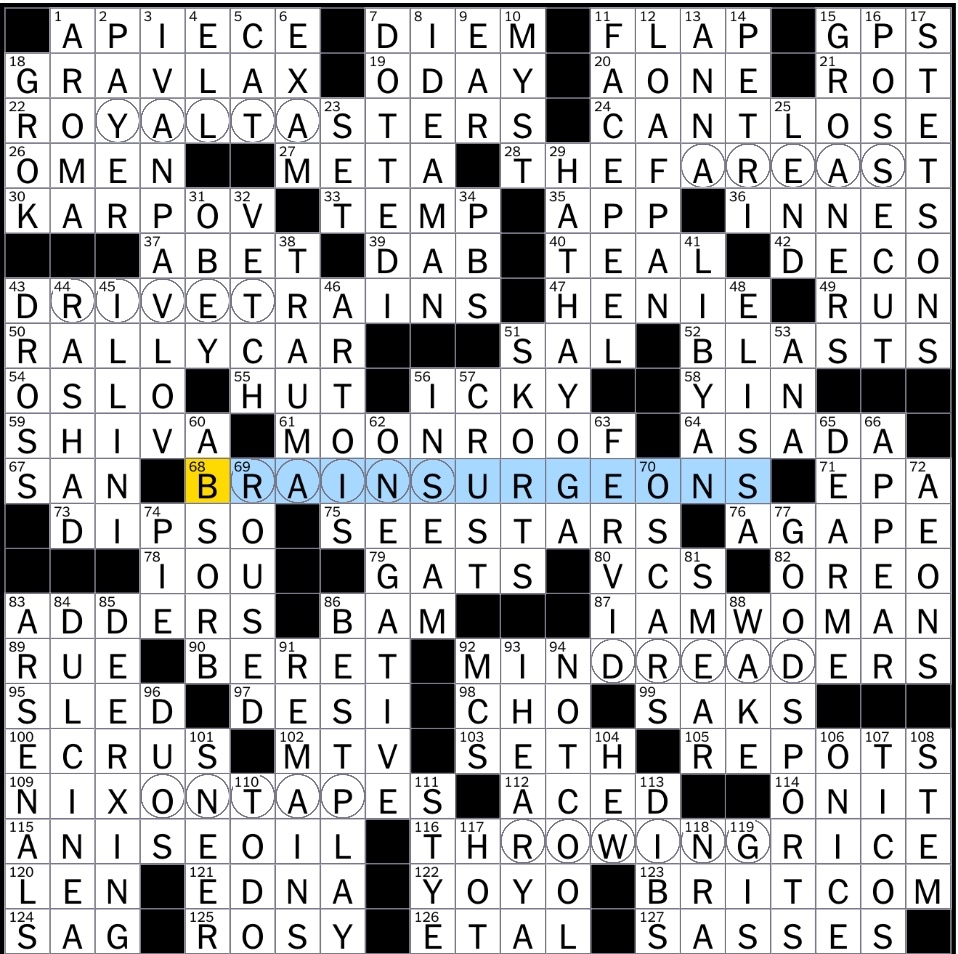 Rex Parker Does The NYT Crossword Puzzle Cured Salmon SUN 11 26 17 Jazzy Anita 1970s 90s Chess Champion Figure Skater Sonja Ammoniac Carne Taco Option Principal Deities
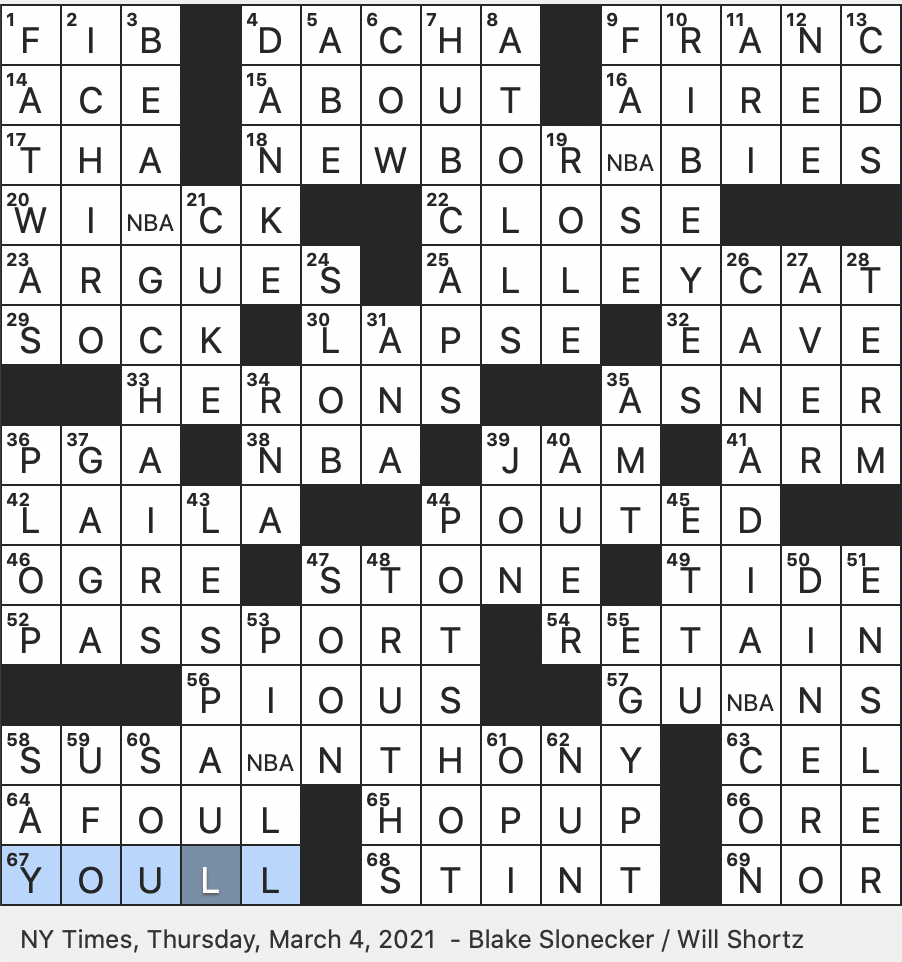 Rex Parker Does The NYT Crossword Puzzle Violinist Leopold Taradiddle THU 3 4 21 Retired Pugilist Ali Origin Of Water Clock Technology Birds With S Shaped Necks Divisions Of A Krone