The New York Times crossword puzzle has long been a favorite pastime for many, offering a delightful mix of wordplay, trivia, and clever clues. Among the various clues that puzzle enthusiasts encounter, “doggie bag morsel” stands out as a playful and intriguing hint. This phrase not only evokes images of delicious leftovers but also challenges solvers to think creatively about their answers. The intersection of food and language in crossword puzzles adds an extra layer of enjoyment for those who love both culinary delights and word games.
As crossword aficionados dive into the intricacies of the New York Times puzzle, they often find themselves pondering the meanings behind various clues. “Doggie bag morsel” is a prime example of how a simple phrase can lead to multiple interpretations. It invites solvers to consider what types of food are commonly packed away for later enjoyment, making it a fun and relatable clue for many. Understanding the context and cultural references behind such clues can enhance the overall experience of solving the puzzle.
 doggie bag morsel nyt crossword
Doggie Bag Morsel NYT Crossword
In the context of the New York Times crossword, “doggie bag morsel” typically refers to a small piece of food that one might take home after dining out. Common answers to this clue include terms like “scrap,” “bite,” or even “leftover.” Each of these words captures the essence of what a doggie bag represents: a way to savor a meal long after leaving the restaurant. This clue not only tests vocabulary but also taps into everyday experiences that many people share.
The beauty of crossword puzzles lies in their ability to connect with everyday life. When solvers encounter “doggie bag morsel,” they are reminded of their own dining experiences and the joy of enjoying leftovers. This connection makes the puzzle more engaging and relatable, as it reflects real-life scenarios that resonate with a wide audience. Additionally, it showcases how language can be playful and multifaceted, allowing for creative interpretations.
Moreover, clues like “doggie bag morsel” highlight the importance of context in solving crosswords. A solver’s familiarity with dining culture can significantly influence their ability to arrive at the correct answer. This aspect adds depth to the puzzle-solving experience, as it encourages players to draw from their personal knowledge and experiences while navigating through various clues.
In conclusion, “doggie bag morsel” serves as an excellent example of how crossword puzzles blend language with everyday life. The New York Times crossword continues to challenge and entertain its audience by incorporating relatable themes like dining and leftovers. As solvers engage with such clues, they not only sharpen their vocabulary but also enjoy a shared cultural experience that transcends generations.
Print and Download doggie bag morsel nyt crossword
 The Paperboy S Secret The New Yorker
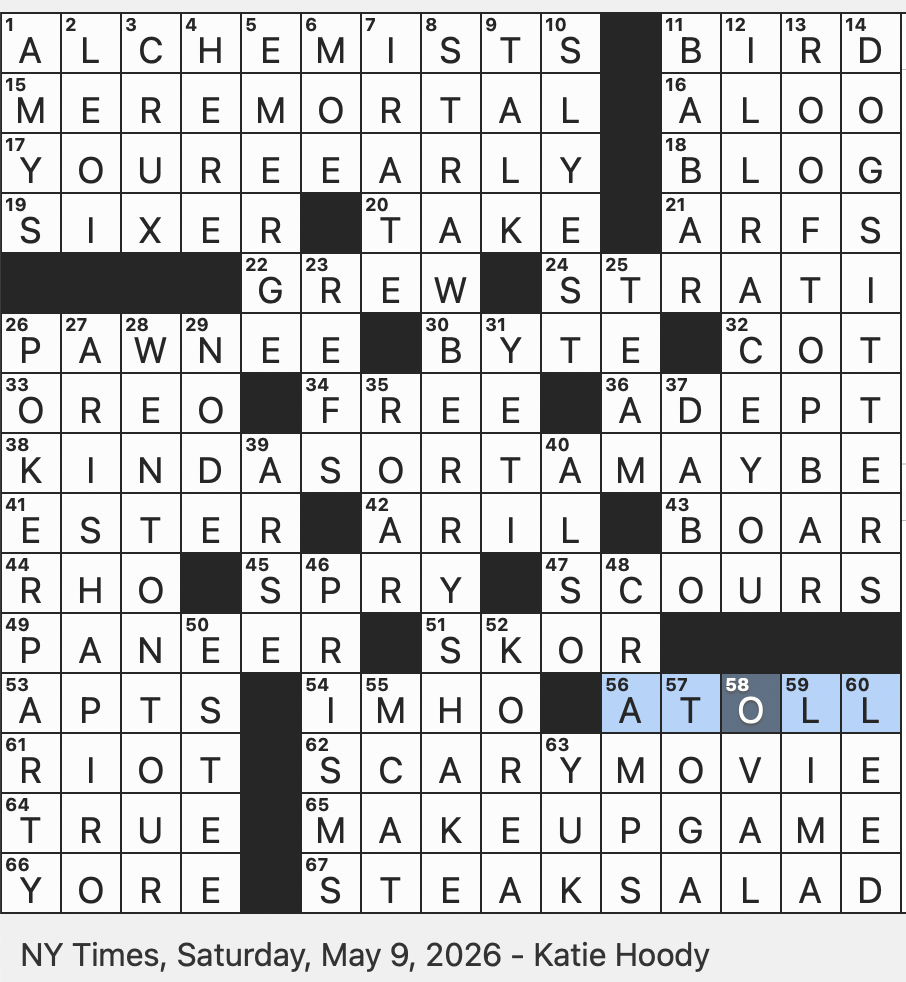 Rex Parker Does The NYT Crossword Puzzle Pomegranate Morsel SAT 5 9 26 Black And White Debut Of 1912 Portable Retirement Option Setup For An Extra Point Won Land
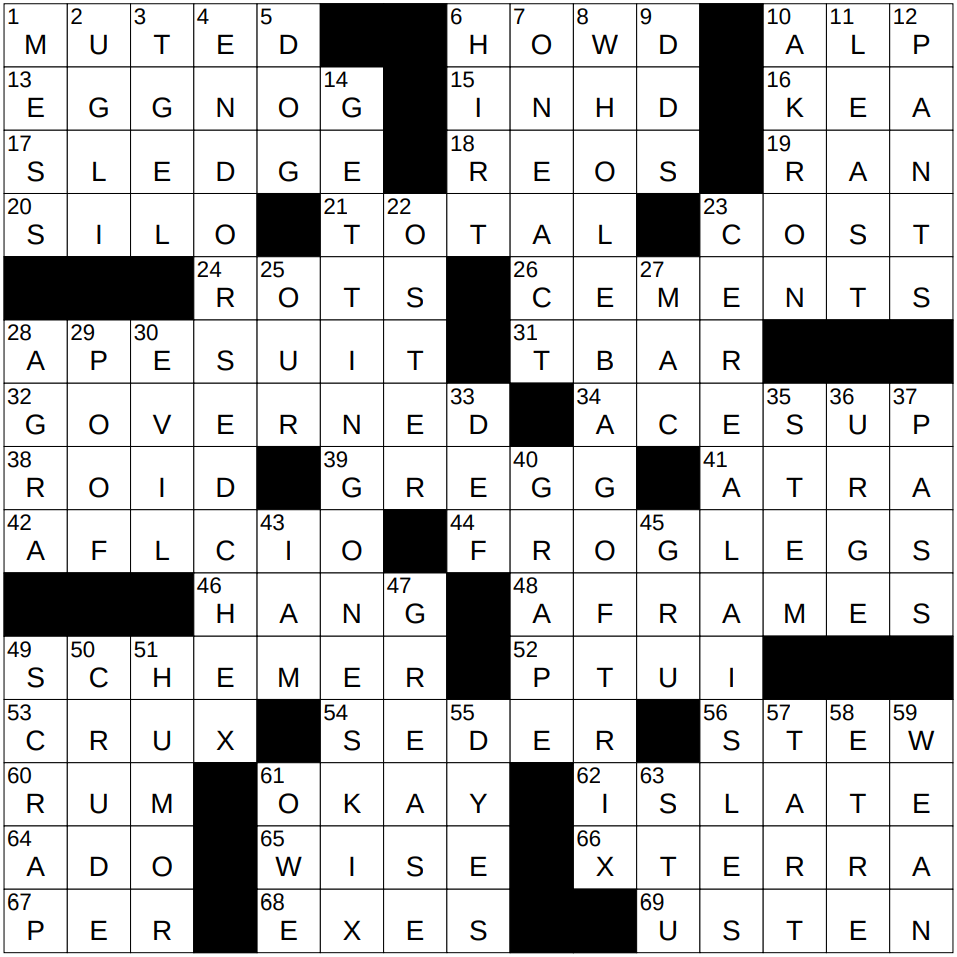 0416 25 NY Times Crossword 16 Apr 25 Wednesday NYXCrossword