Crossword puzzles have long been a favorite pastime for many, providing both entertainment and mental stimulation. They challenge our vocabulary, knowledge, and problem-solving skills. One of the intriguing aspects of crossword puzzles is the clues that lead to the answers. Among these clues, the word “goal” often appears, prompting solvers to think critically about its various meanings and contexts.
The term “goal” can refer to a physical target in sports, a personal objective in life, or even a metaphorical destination in various contexts. This versatility makes it a popular choice for crossword clues. Understanding the different interpretations of “goal” can significantly enhance your crossword-solving skills and enrich your vocabulary.
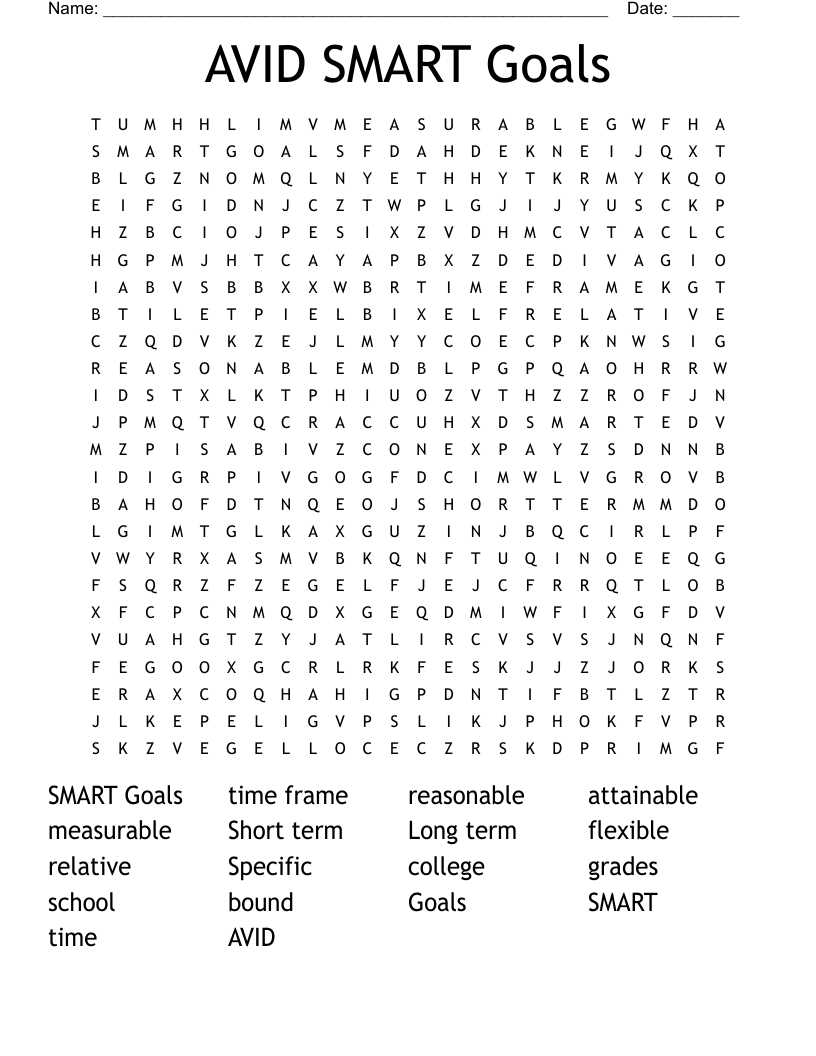 goal crossword puzzle clue
Goal Crossword Puzzle Clue
When encountering the clue “goal” in a crossword puzzle, it is essential to consider the context provided by intersecting words. The clue may refer to a specific sport, such as soccer or hockey, where a goal represents a physical structure where points are scored. In this case, the answer could be “net,” “post,” or even “score.” Each of these terms relates directly to the concept of scoring in sports.
Alternatively, “goal” can also signify an objective or aspiration in life. In this context, clues might lead to answers like “aim,” “end,” or “target.” These words encapsulate the idea of striving towards something meaningful, whether it be personal growth, career advancement, or achieving dreams. Recognizing this duality is crucial for crossword enthusiasts.
Another angle to consider is the use of synonyms for “goal.” Crossword creators often employ synonyms to add variety and challenge. Words like “objective,” “purpose,” and “destination” might appear as answers depending on how the clue is framed. Being familiar with these synonyms can provide an edge when tackling more complex puzzles.
In some cases, the clue may be more abstract, requiring solvers to think outside the box. For instance, if the clue hints at a goal in a philosophical sense, answers could include terms like “meaning” or “fulfillment.” This broader interpretation encourages solvers to engage with language on a deeper level.
In conclusion, the clue “goal” in crossword puzzles serves as an excellent example of how language can be multifaceted. By understanding its various meanings—ranging from sports terminology to personal aspirations—solvers can enhance their skills and enjoy the challenge that crossword puzzles offer. Embracing this complexity not only makes solving more enjoyable but also enriches one’s vocabulary and critical thinking abilities.
Save and Print goal crossword puzzle clue
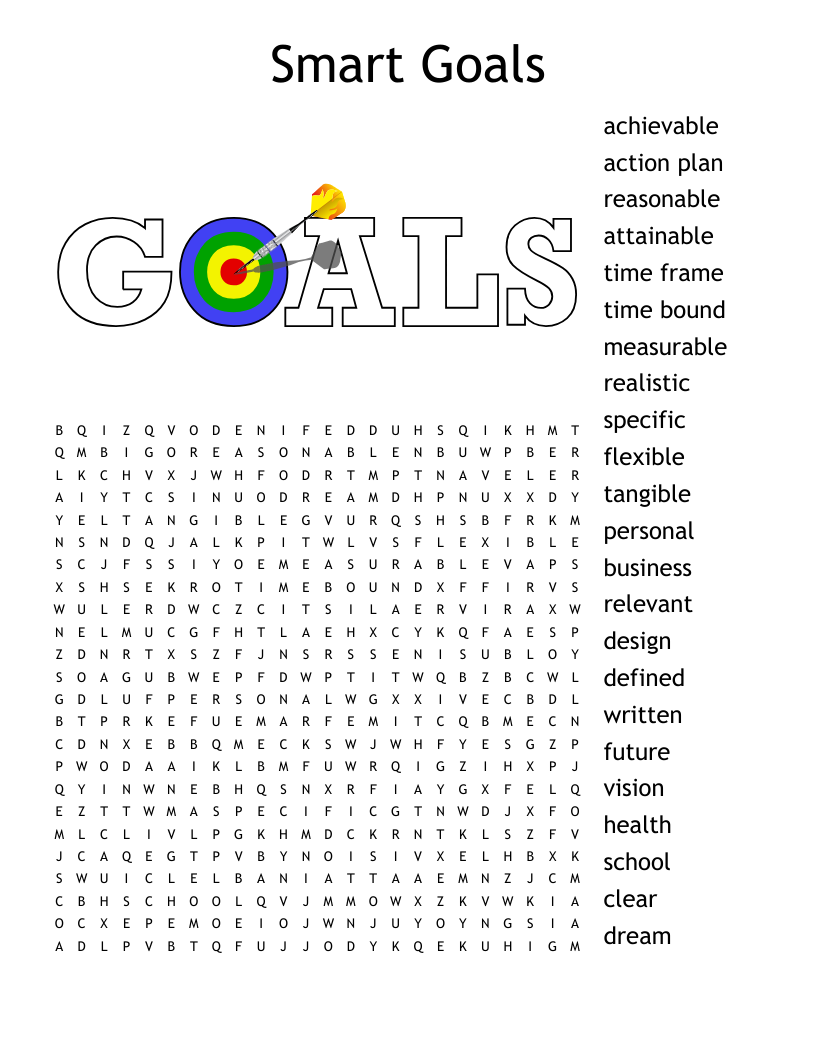 Goals Crossword WordMint
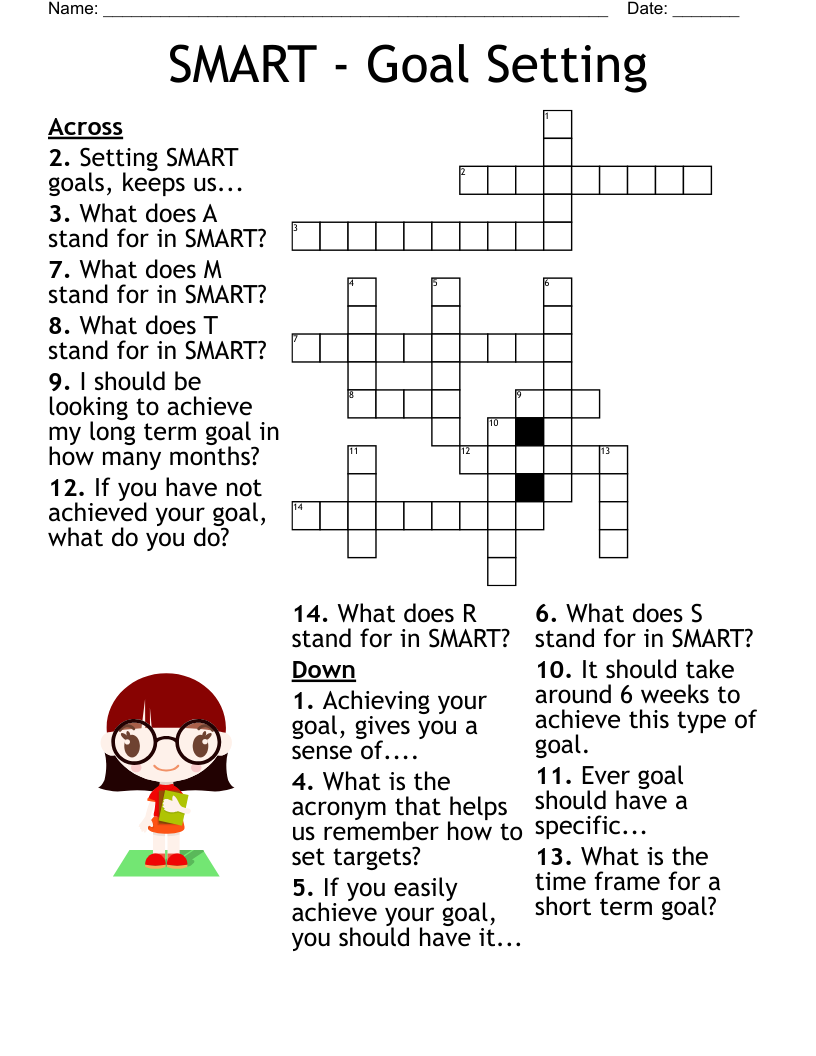 Goals Crossword WordMint
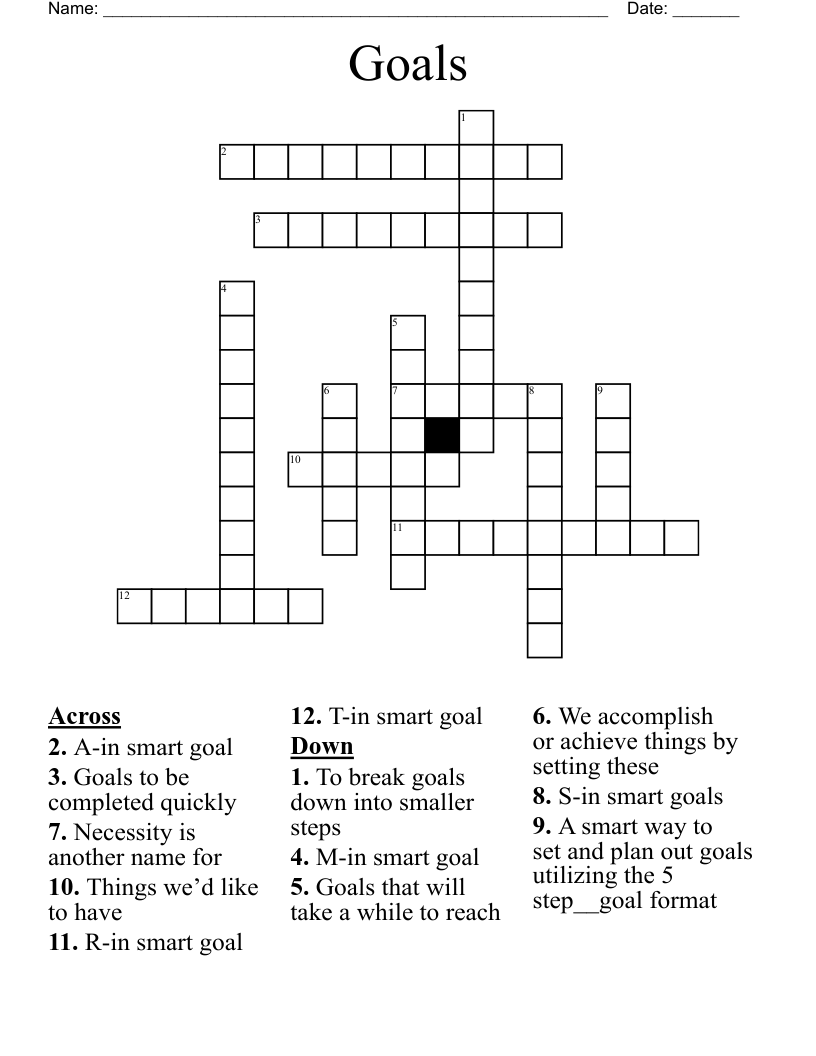 Goals Crossword WordMint