The New York Times crossword puzzle has long been a staple for puzzle enthusiasts, offering a daily challenge that many look forward to. However, for some, the experience can be less than enjoyable. The difficulty level can vary significantly, and certain puzzles may leave solvers feeling frustrated rather than accomplished. This phenomenon is particularly evident in the more challenging editions, which can sometimes feel like a test of endurance rather than a leisurely pastime.
One of the most notable aspects of the NYT crossword is its reputation for being difficult. While many solvers relish the challenge, others may find themselves overwhelmed by obscure clues and complex wordplay. This disparity in experience can lead to a harsh reading of the crossword, where enjoyment is overshadowed by confusion and frustration. Understanding this dynamic is crucial for both seasoned solvers and newcomers alike.
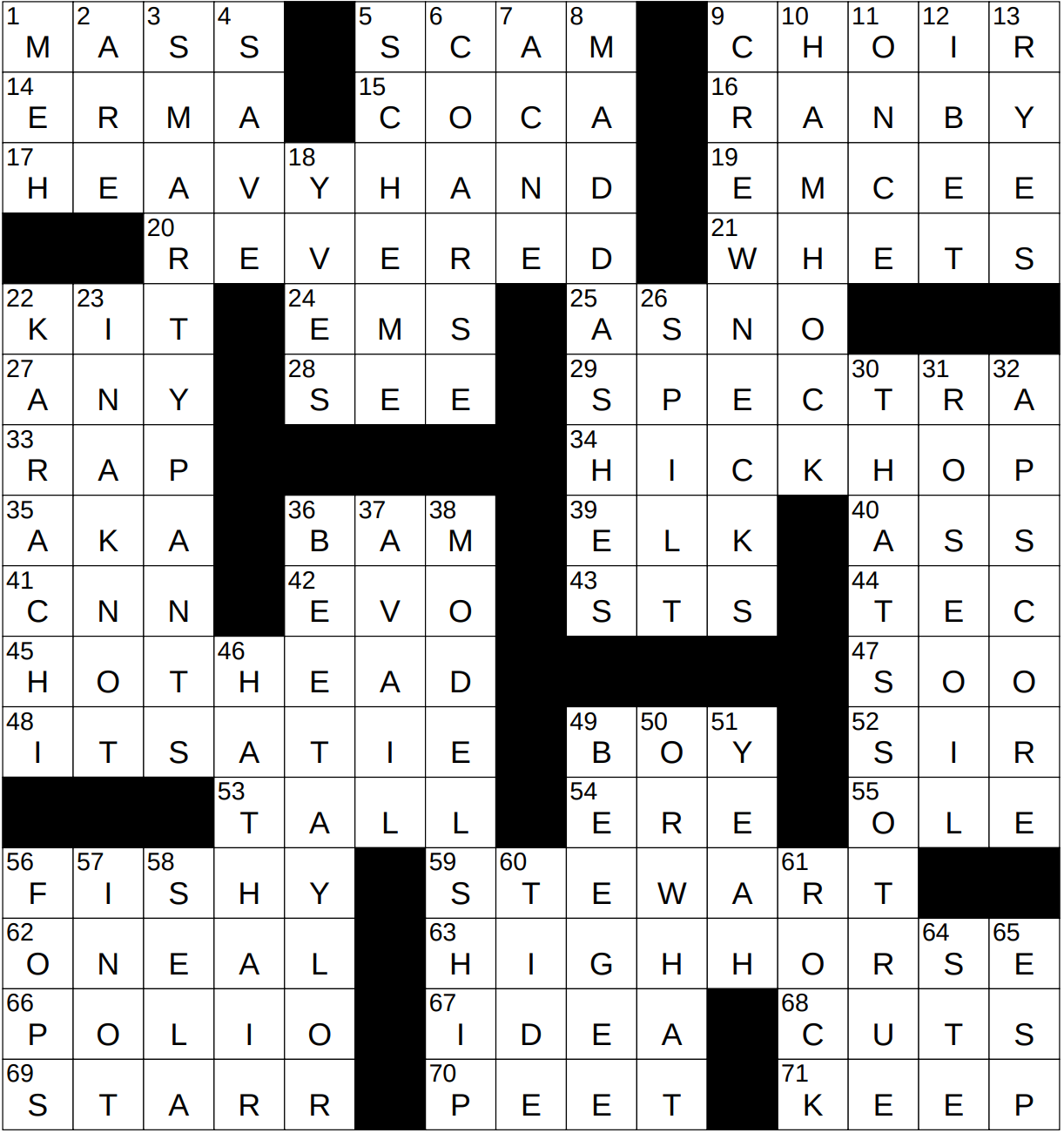 harsh reading nyt crossword
Harsh Reading NYT Crossword
The harsh reading of the NYT crossword often stems from its unique blend of cultural references, wordplay, and cryptic clues. For many, this complexity is what makes the puzzle appealing; however, it can also alienate those who are not well-versed in certain topics or who are new to crossword solving. The clues can range from pop culture references to historical facts, making it essential for solvers to have a broad knowledge base.
Another factor contributing to the harsh reading experience is the varying difficulty levels throughout the week. Typically, Monday puzzles are easier and designed for beginners, while Saturday puzzles are notoriously challenging. This inconsistency can be jarring for solvers who may not be prepared for a sudden leap in difficulty. As a result, some may approach the Saturday puzzle with trepidation, fearing that they will be unable to complete it.
Moreover, the community surrounding the NYT crossword can sometimes exacerbate feelings of inadequacy among solvers. Online forums and social media platforms often showcase completed puzzles and strategies, which can create pressure to perform at a high level. This competitive atmosphere can lead to harsh self-criticism when individuals struggle with particularly tough puzzles.
Ultimately, while the NYT crossword offers an engaging challenge for many, it is essential to recognize that not every solver will have the same experience. Embracing the journey of learning and improving over time can transform a harsh reading into a more enjoyable one. Whether you’re tackling your first puzzle or your hundredth, remember that each attempt is an opportunity for growth.
Download and Print harsh reading nyt crossword
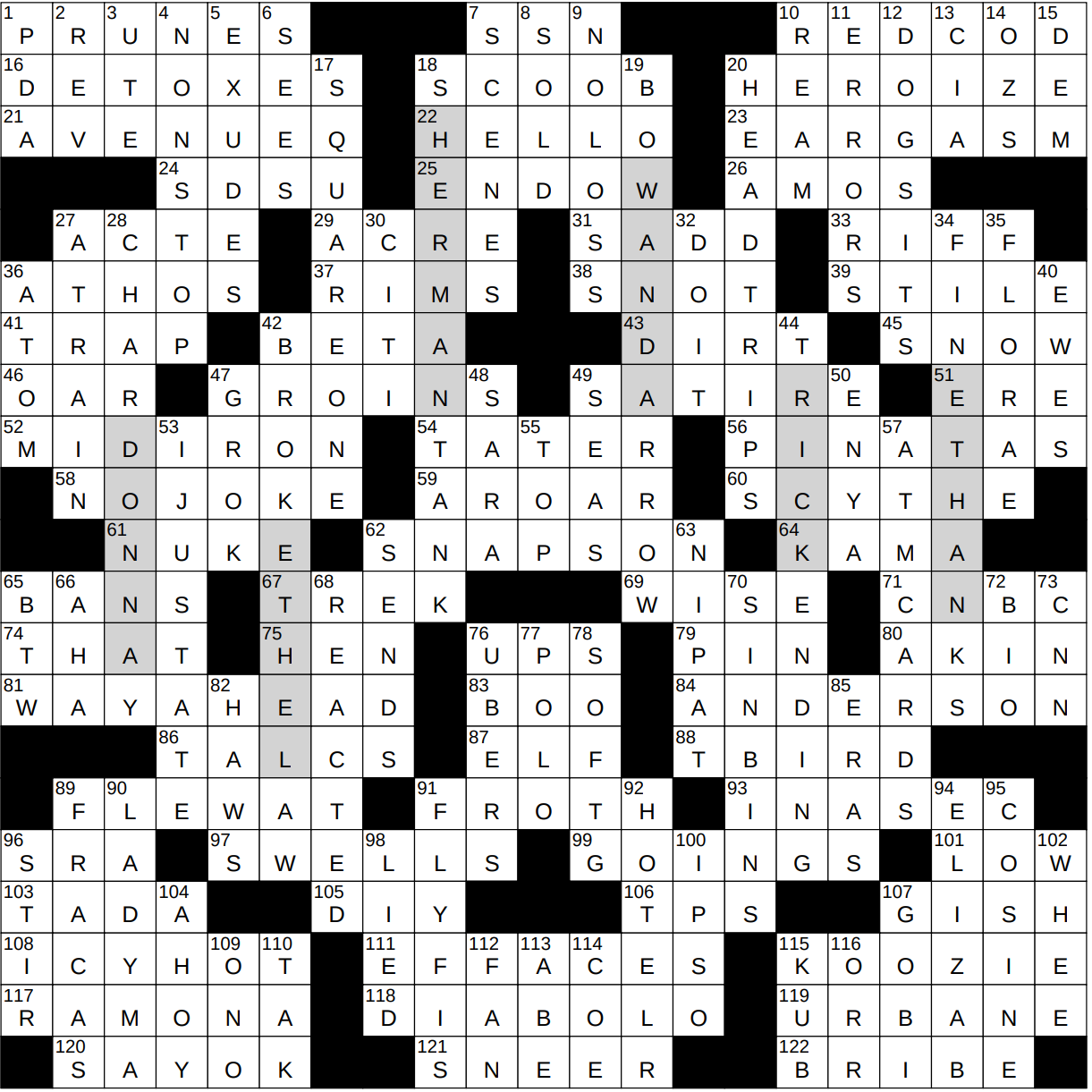 0430 23 NY Times Crossword 30 Apr 23 Sunday NYXCrossword
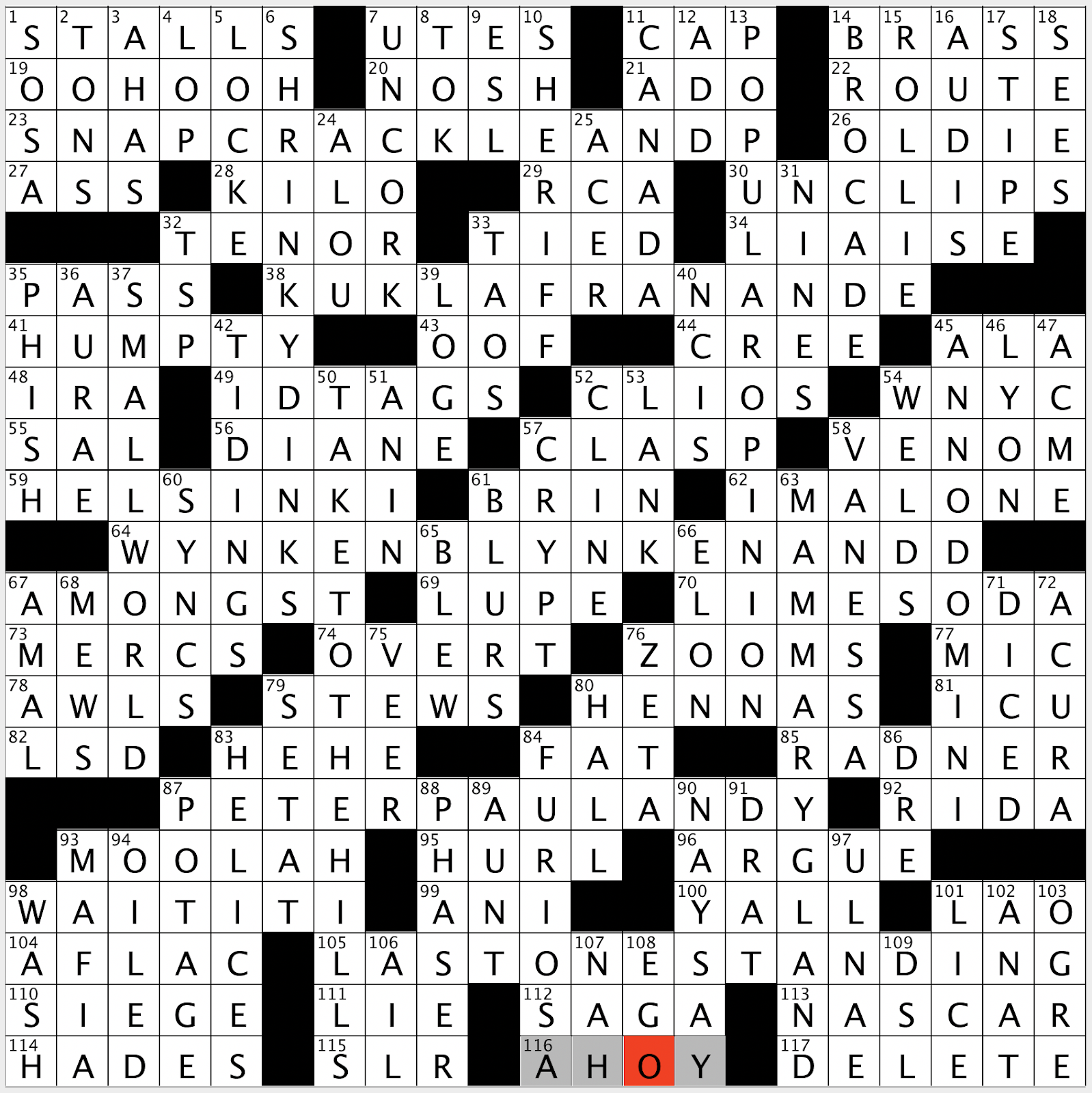 Rex Parker Does The NYT Crossword Puzzle Director Taika SUN 6 17 18 Charlize Theron S Role In 2015 S Mad Max Reboot
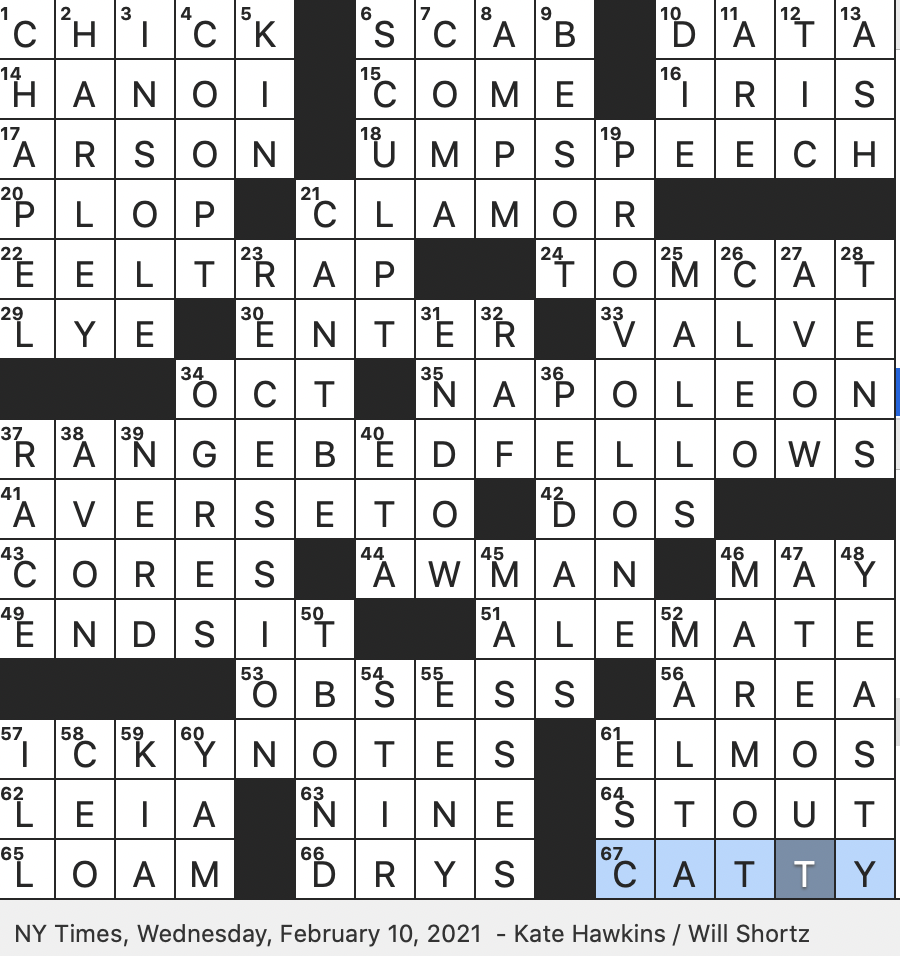 Rex Parker Does The NYT Crossword Puzzle Miss Famed TV Psychic WED 2 10 21 World Capital That S Home To Temple Of Literature Built In 1070 Crop Item Grown In