The New York Times crossword puzzle has long been a staple for puzzle enthusiasts, offering a daily challenge that engages the mind and sharpens vocabulary. Among the myriad of clues and answers that appear, certain terms stand out for their complexity and depth. One such term is “jouissance,” a French word that has made its way into the lexicon of English speakers, particularly in literary and philosophical discussions. Its inclusion in the crossword puzzle not only tests solvers’ knowledge but also invites them to explore its rich meanings and implications.
Jouissance, often translated as “enjoyment” or “pleasure,” carries connotations that extend beyond mere happiness. In literary theory, particularly in the works of Jacques Lacan and Julia Kristeva, it refers to a profound sense of pleasure intertwined with pain, suggesting a more complex emotional experience. This duality makes it a fascinating entry in the crossword, as solvers must navigate its nuanced meanings while also considering its placement within the grid.
 jouissance nyt crossword
Jouissance NYT Crossword
When “jouissance” appears in the New York Times crossword, it often challenges solvers to think critically about language and its interpretations. The clue might reference its philosophical roots or its use in contemporary literature, prompting solvers to recall their readings or discussions surrounding the term. This not only tests their vocabulary but also their ability to connect ideas across different fields.
The presence of such a term in a widely-read publication like the New York Times highlights the intersection of popular culture and academic discourse. It serves as a reminder that language is fluid and that words can carry multiple meanings depending on context. For many solvers, encountering “jouissance” may spark curiosity about its origins and applications, encouraging further exploration into literary theory or psychoanalysis.
Moreover, solving crosswords like those in the New York Times can be an enriching experience. It fosters a sense of community among enthusiasts who share tips and insights about challenging clues. The inclusion of terms like “jouissance” not only elevates the difficulty level but also enhances the overall enjoyment of the puzzle-solving experience. It encourages players to engage with language on a deeper level, making each completed puzzle a small victory.
In conclusion, the inclusion of “jouissance” in the New York Times crossword puzzle exemplifies how language can bridge various disciplines while providing an enjoyable challenge for solvers. As players navigate through clues and answers, they are not just completing a puzzle; they are participating in a broader conversation about meaning, pleasure, and intellectual engagement. This interplay between enjoyment and challenge is what makes crossword puzzles a beloved pastime for many.
Download and Print jouissance nyt crossword
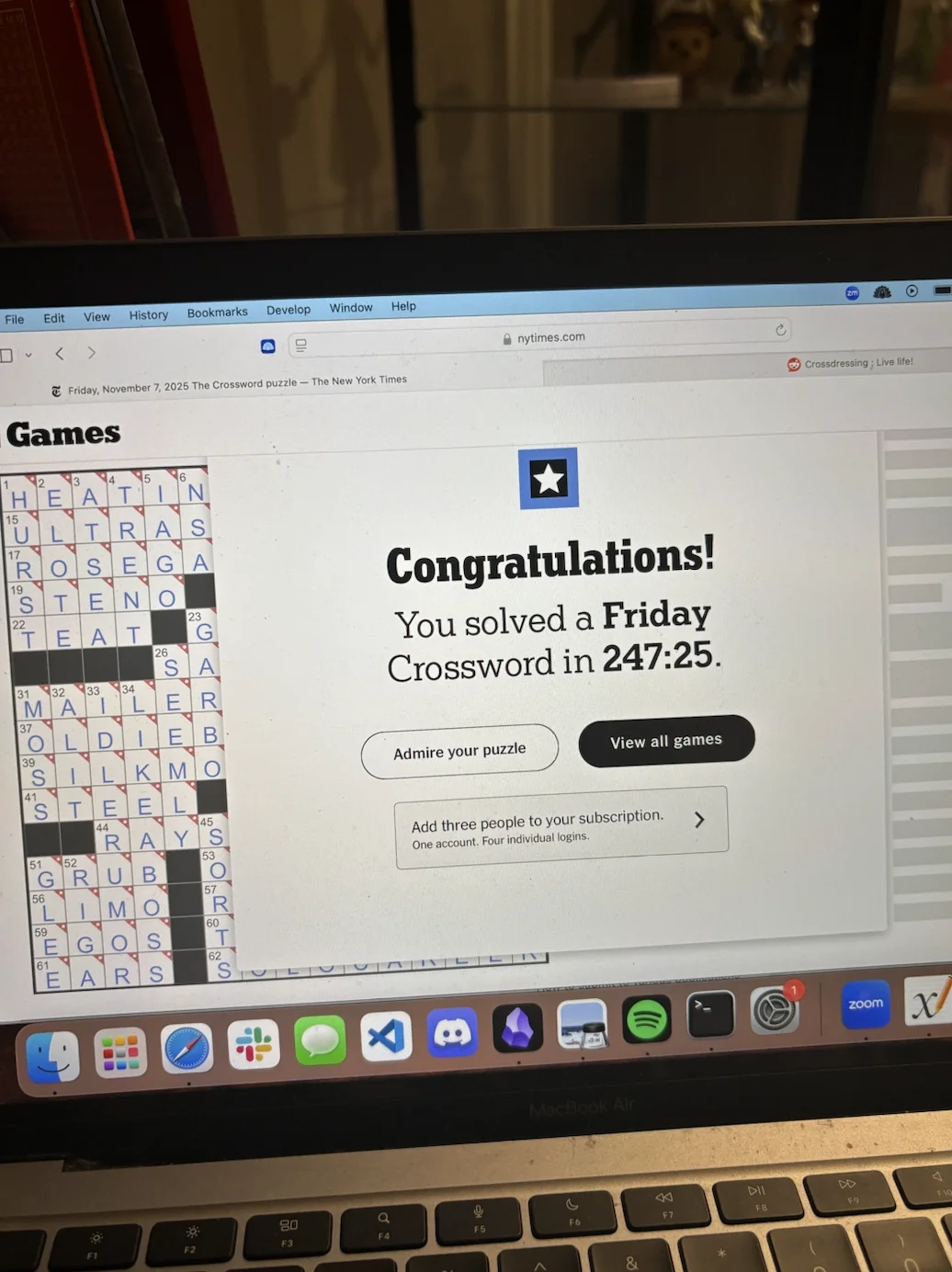 NYT Friday 11 07 2025 Discussion R Crossword
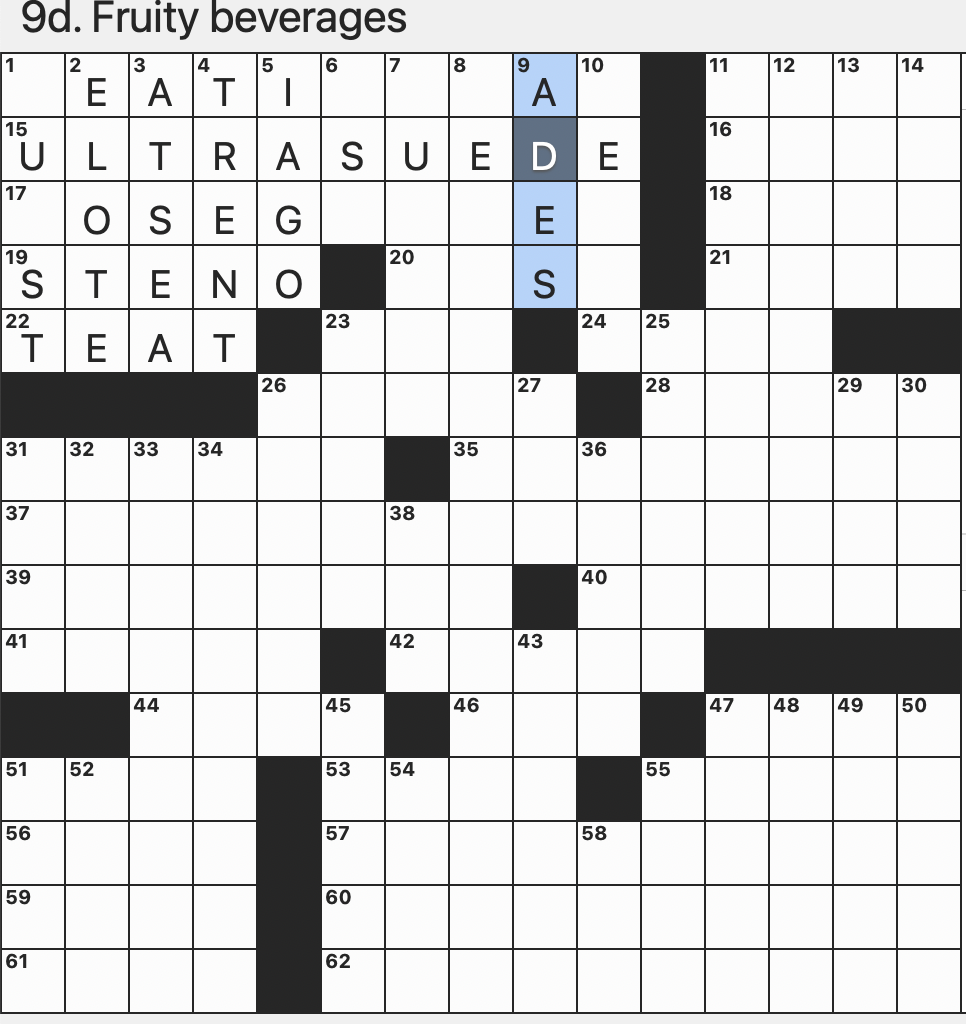 Rex Parker Does The NYT Crossword Puzzle Beverage Featured In A Christmas Story FRI 11 7 25 Illustrator Of The Tammany Tiger Bygone Office Assistant In An Awesome Way Slangily Victuals Informally Domesticated Insect Entirely Dependent On
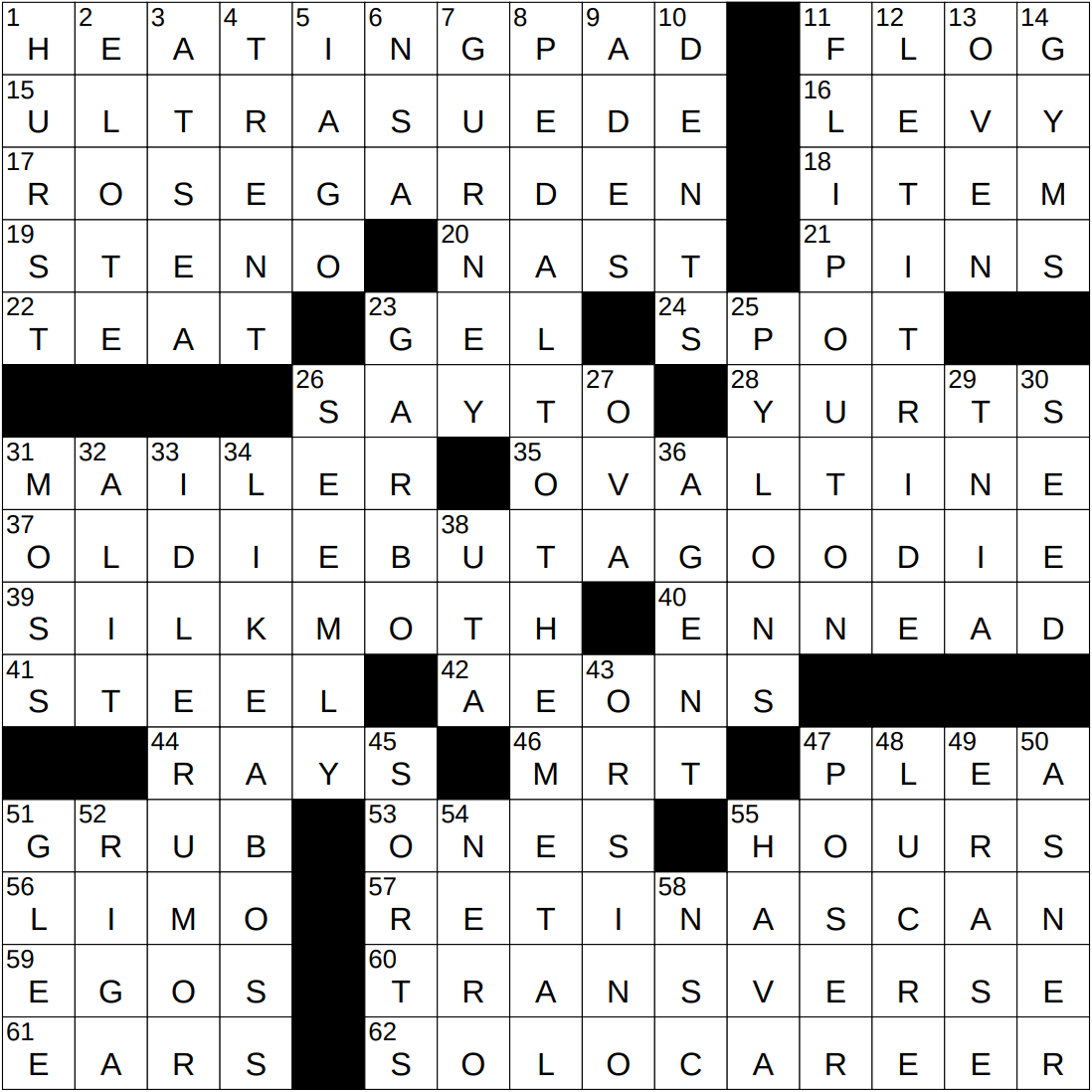 1107 25 NY Times Crossword 7 Nov 25 Friday NYXCrossword